If you have intense or constant pain, swelling in your face or gums, fever, a tooth that broke deeply or was knocked out, a cut that won’t stop bleeding, or trauma from an accident, treat it as urgent and WhatsApp us immediately. For these situations, in case we are not able to respond in minutes, please search for “guardia odontológica” (urgent dental care). So, if you’re unsure, it’s safest to be seen promptly so a medical and/or dental professional can evaluate what’s happening.
Take a deep breath and notice where the pain is coming from, then try not to chew on that side and stick to soft foods at a comfortable temperature. Gently keep the area clean, but do not force brushing or flossing if it hurts. Make a note of when the pain started and any medicines or allergies you have, and look for urgent dental care in Buenos Aires if the pain or swelling gets worse.
Most of our treatments are covered by insurance companies. This is the case, since most people who are insured when traveling or living abroad, are as well insured for medical or dental emergencies. Nevertheless and just to be sure, we recommend to always check upfront your coverage with your health or travel insurance, so you won't encounter surprises afterwards.
Obviously, now you are here, we would love to support you and help you out on your dental concerns or inquiries. Usually, travelers, expats and digital nomads, search for search for ”english speaking dentist in argentina” or ”emergency dentist buenos aires” when they find us. Other terms used when searching for urgent dental care on Google or ChatGPT are “odontólogo de guardia” or “urgencias odontológicas.” WhatsApp us to confirm your walk-in, so we make sure you are attended straight away and don't have to wait.
Try phrases like: “Me duele este diente” (this tooth hurts); “Dolor constante / al masticar / con frío o calor” (constant / when chewing / with cold or heat); “Se me salió una corona / un empaste” (my crown / filling came out); “Tengo hinchazón” (I have swelling); “Tuve un accidente” (I had an accident); “Soy alérgico/a a…” (I’m allergic to…); “¿Hay guardia ahora?” (Is urgent care available now?).
Like us, some clinics in Buenos Aires, especially in Palermo, Recoleta, and Belgrano, have dentists or receptionists who speak English. When you WhatsApp or call with us, you can just speak English, Spanish or Portuguese. If you might seek a guardia, its good to ask: “¿Habla inglés el odontólogo?” (does the dentist speak English?). If not, apps like Google Translate work well for simple explanations. Don’t worry, in our clinic, we are used to assisting travelers and expats and will make sure you feel understood and cared for.

Treat symptoms as urgent if pain is constant or severe, if you notice facial swelling, fever, numbness, bleeding that won’t slow, or a tooth became very loose after a hit. In Argentina ask for “guardia odontológica” (urgent dental care). When in doubt, it’s safer to be assessed promptly so a professional can check what’s going on.
Dental emergencies do not always start with sudden pain. Sensitivity to cold or heat, pressure when biting, bleeding gums, bad taste, or facial tightness can all be early warning signs. Noticing the type and pattern of symptoms helps determine whether the issue is minor or needs prompt attention.
Dental symptoms can feel confusing, especially if you are unsure how serious they are. Pain, swelling, bleeding, sensitivity, or pressure can all be signs that something needs attention, even if it starts mildly. If symptoms are getting worse, lasting more than a short time, or interfering with eating or sleeping, it is a good idea to contact a dentist in Buenos Aires for guidance or same-day care.
Keeping track of when symptoms started, how often they appear, and what triggers them can be very helpful. Changes over hours or days often give important clues about the underlying cause. Sharing this information allows the dentist to assess urgency and choose the right treatment faster.
Some dental problems cause symptoms that do not immediately feel dental. Jaw stiffness, headaches, ear discomfort, facial pressure, or a bad taste in the mouth can all be linked to teeth or gums. When symptoms feel unusual or hard to explain, they are still worth mentioning, as they can help identify hidden dental issues.
After a fall, sports injury, or blow to the face, dental symptoms may appear gradually. Teeth can feel sore, loose, or sensitive hours or even days later. Monitoring changes after an injury is important, as delayed symptoms can still signal damage that needs evaluation.

Same-day attention is wise if pain is relentless, you notice cheek or jaw swelling, fever, numbness, a tooth is loosened or out after a hit, or bleeding won’t stop. Ask reception for “guardia odontológica” (urgent dental service). If you’re uncertain, an in-person check is the safest way to understand what’s happening.
While waiting to see a dentist, small adjustments can help reduce discomfort. Avoid chewing on the painful side, choose soft foods, and keep drinks at a neutral temperature. Gentle oral hygiene can help, but avoid pressing or rinsing aggressively if the area is sore.
Many travel policies reimburse urgent dental assessments; bring your policy number and ask the clinic for a factura (invoice) for claims. Keep receipts from your visit and any tests so your insurer can process documentation after you return.
Dental emergencies can feel overwhelming, especially when traveling. Taking slow breaths, focusing on practical next steps, and knowing help is available can ease anxiety. Managing stress is an important part of handling dental pain and making clear decisions about care.
Food and drink choices can affect dental pain more than expected. Soft foods and neutral temperatures are usually easier to tolerate, while very hot, cold, sweet, or hard foods may worsen discomfort. Adjusting what you eat can help prevent flare-ups while you arrange dental care.
Small habits can influence how dental pain develops. Avoid touching, probing, or chewing on the affected area, and be cautious with rinsing or home remedies. Protecting the area reduces irritation and lowers the risk of symptoms worsening before treatment.

Many private practices and some university clinics have bilingual teams. Ask about the dentist’s English level and whether reception can assist during the visit. Request written estimates in English if helpful. Confirm opening hours and how they handle urgent slots for international visitors.
The fastest routes are WhatsApp, email, or a brief phone call. Share your name, preferred time window, main concern, and if you need English during the visit. Ask for the clinic’s location pin and check-in instructions. If you’re flexible with time, you’ll often be seen sooner.
Bring a passport or photo ID and a payment method. Ask for a factura (itemized invoice) with your full details for insurance claims. Some clinics request a deposit to secure urgent slots. Keep all receipts and any treatment notes the clinic can provide in English.
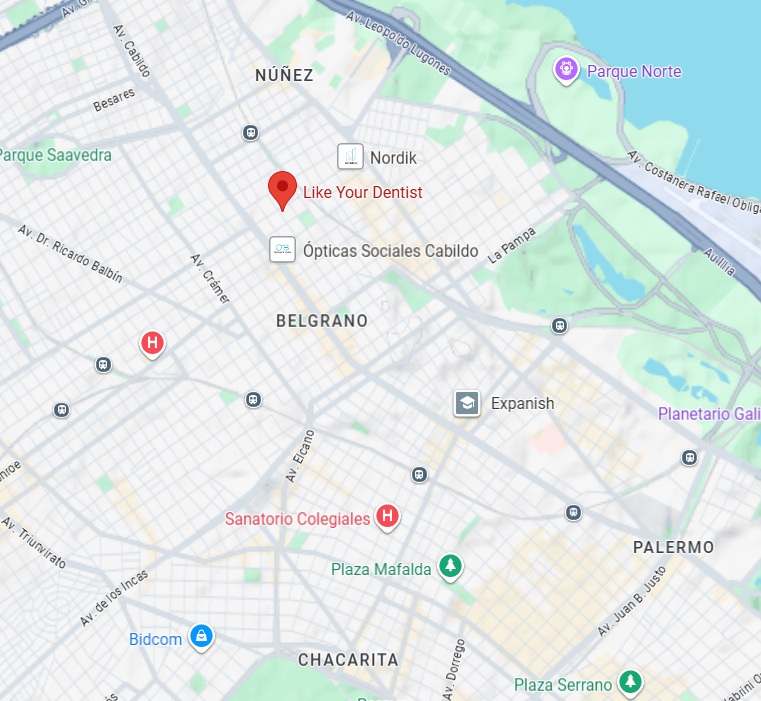
You’ll find many English-friendly clinics in Palermo (Soho/Hollywood), Recoleta, Puerto Madero, and Núñez. Proximity to Subte lines and main avenues makes these easy to reach. When you call, ask about evening or Saturday hours to fit your travel plans.
“Me duele al morder” (hurts when I bite); “Dolor punzante / constante” (sharp / constant pain); “Sensibilidad que dura” (lingering sensitivity); “Desde anoche” (since last night); “Tengo hinchazón” (I have swelling); “Soy alérgico/a a…”; “¿Pueden atenderme hoy?” (can you see me today?).
Ask for “guardia odontológica” and mention you prefer English assistance. If the dentist isn’t fluent, reception can still help with key explanations, and translation apps cover short phrases. Bring ID, a payment method, and any allergy information to speed up check-in.

Fees vary by clinic, currency rates, materials, imaging needs, and whether the visit is urgent or planned. Ask for an estimate before treatment and what’s included (exam, X-ray, procedure). In Argentina you can request a “presupuesto” (written quote). If you’re unsure, a quick cost review helps you choose confidently and avoid surprises.
The fastest routes are WhatsApp, email, or a brief phone call. Share your name, preferred time window, main concern, and if you need English during the visit. Ask for the clinic’s location pin and check-in instructions. If you’re flexible with time, you’ll often be seen sooner.
Many policies reimburse unexpected dental care abroad; check your plan, save invoices, and keep proof of payment for your claim.
You’ll find many English-friendly clinics in Palermo (Soho/Hollywood), Recoleta, Puerto Madero, and Núñez. Proximity to Subte lines and main avenues makes these easy to reach. When you call, ask about evening or Saturday hours to fit your travel plans.
“¿Aceptan tarjeta extranjera?” (Do you take foreign cards?); “¿Pueden darme una factura detallada?”; “¿Cuál es el presupuesto total?”; “¿Incluye radiografía?”; “¿Necesitan depósito?”; “¿Pueden enviarlo por WhatsApp o email?” These short lines make check-in and checkout smoother.
Many clinics can provide estimates and receipts in English. When calling, ask “¿Hay alguien que pueda explicarme los costos en inglés?” If not, simple translation apps work well for numbers and item names. Bring your policy details—the team can note them on your paperwork to support your claim.

One short message helps: where it hurts (or what happened), when it started, and anything that makes it better or worse. Mention allergies and current medicines. Ask the team to repeat the plan back to you so you both know the next step.
Ask if the dentist or reception speaks English and whether instructions can be provided in writing. It’s fine to use a translation app for short phrases. You can also request slower speech—“¿Podría hablar más despacio, por favor?”—so nothing is missed.
Confirm appointment time, clinic address, floor or door code, and documents to bring. After the visit, ask for a brief written summary and the best number for follow-up questions. Keeping everything in one chat thread makes travel days easier.
You may be asked to review consentimiento informado (consent). It’s okay to take a moment to read, ask questions, and request a plain-language explanation. If helpful, request a photo or PDF copy for your records.
Ask for an English visit summary and copies of X-rays as JPG or PDF. Confirm how they’ll send files (WhatsApp, email, download link) and the expected timing. Keeping these documents handy simplifies any follow-up once you’re home.

When chewing feels difficult, gentler textures can make meals easier. Think smooth soups, puré (mashed potatoes or pumpkin), ripe bananas, yogurt, soft scrambled eggs, oatmeal, or tender pasta with mild sauce. If you do chew, use the comfortable side and take small bites. Give hot dishes a moment to cool before eating so temperature changes don’t startle sensitive areas.
Very hard, sticky, or chewy items can be challenging—hard candies, nuts, crunchy toasts, tough cuts of meat, or gooey sweets. Extremely hot or icy drinks may also feel sharp on sensitive teeth. If something tugs at dental work or spikes discomfort, set it aside and choose a softer alternative that feels calm and manageable.
In Buenos Aires, you can request softer sides or sauces to help dishes go down smoothly. Ask for fish or chicken bien tierno (very tender), pasta al dente suave, or mashed vegetables. Mention that you prefer food templado (warm, not hot). Request water sin hielo if cold drinks bother you, and ask to slice items into smaller pieces.
Easy, soft staples are widely available: yogurts, puddings, fruit purées, ready soups, polenta, instant oats (avena), avocados, and soft bread. If you enjoy something sweet, let ice cream soften before eating. Keep bottled water handy for sipping through the day, and pick shelf-stable options that are simple to pack between appointments.
Extreme temperatures can make sensitive areas react. Let hot drinks cool slightly and avoid very icy sips. Smaller, more frequent meals are often easier than large plates. If one side feels okay, favor it gently. Take your time—moving slowly helps notice what feels comfortable and what to skip for now.
Try: “Comida suave, por favor.” (soft food, please); “Sin hielo.”; “¿Puede cortarlo en trocitos?”; “Templado, no muy caliente.”; “Salsa aparte.”; “Carne bien tierna.”; “Tengo una molestia dental, ¿pueden adaptar el plato?” Short, clear requests help kitchens make simple adjustments.

Use a soft brush and short, light strokes, angling toward the gumline. Skip scrubbing over tender spots or open wounds. Rinse with lukewarm water after meals, and chew on the comfortable side. If something hurts, ease off and try smaller motions—cleaning a little, more often, is kinder than one intense session.
If your brush is lost in transit, wrap a clean cloth or gauze around a finger to wipe plaque from teeth and gums. Rinse well with safe drinking water and floss gently if you have it. Once you reach a farmacia, ask for a soft brush (cepillo suave) and a mild toothpaste.
Lukewarm water sips and gentle swishing help after snacks, especially if brushing is uncomfortable. Alcohol-free mouthwashes sting less; avoid strong, burning rinses if they irritate you. Take small sips, tilt, and let the liquid fall out—no forceful swishing over sore areas.
Clean aligners or retainers with a soft brush and cool water—no hot water. Store them in a ventilated case between meals, and avoid sugary drinks while wearing them. If edges rub, a bit of orthodontic wax can improve comfort until you’re seen.
Ask for cepillo suave, pasta para dientes sensibles, hilo dental or cepillos interdentales, cera ortodóntica, and enjuague bucal sin alcohol. Travel sizes are common. If you prefer written instructions, request “indicaciones por escrito” at the counter.
Keep a small bottle of safe drinking water for quick rinses after meals. If hot or icy temperatures bother you, choose templado (lukewarm). On flights, sip water regularly—dryness makes plaque cling more. A brief rinse and a tissue wipe are better than letting food sit.

Private practices follow strict routines: surface disinfection, sealed instrument pouches, and protective gear for staff. You can ask about their sterilization cycle and how they manage urgent patients. Request a simple outline of today’s plan and who to contact afterward if you have questions.
Look for instruments in sealed pouches with indicators, disposable items opened in front of you, and tidy work surfaces. Gloves and masks are changed between patients. If something seems unclear, it’s okay to ask how they prepare and sterilize equipment for your visit.
Lukewarm water sips and gentle swishing help after snacks, especially if brushing is uncomfortable. Alcohol-free mouthwashes sting less; avoid strong, burning rinses if they irritate you. Take small sips, tilt, and let the liquid fall out—no forceful swishing over sore areas.
Let the clinic know about allergies, anticoagulants, heart conditions, recent surgeries, or dental materials you react to. Bring a short list of medications and doses. These details help teams select products and techniques that fit you safely.
Before any procedure, ask for the steps, alternatives, and estimated costs in plain language. Read consent forms without rush, and request a brief written summary. Keep copies of documents and images so you can follow the plan comfortably.
You can pause, ask the dentist to explain again, or request a second opinion. Clinics can share your X-rays and notes so another professional can review them. Stay calm, communicate your concern, and choose the path that feels safe to you.

Message us with your name, location, and a short note about what you’re feeling. We’ll reply with simple next steps, available times, and how to reach the clinic. WhatsApp keeps everything in one thread—maps, reminders, and after-visit notes—so you don’t lose details while moving around the city.
After your visit, we can share digital copies—invoice, visit summary, and images—by WhatsApp or email. Files are easy to forward to your home dentist or insurer. Keeping documents on your phone helps you continue care smoothly as you travel.
Walk-ins are welcome at Like Your Dentist, and we do our best to accommodate patients who need to be seen the same day. To make the experience smooth and comfortable, we ask that you send us a quick message on WhatsApp before arriving.This allows us to prepare a time slot for you, reduce waiting, and ensure you’re attended in a relaxed setting. A short message helps us coordinate care efficiently while respecting your time and comfort.
We provide an itemized invoice (factura) and a brief visit summary on request. Keep receipts and any images we share; these often help with claims. While we can’t speak for your insurer, we’ll make sure your documents are clear and complete.
Travel continues after treatment, so we follow up by message to see how you’re doing. You can share how you feel and ask practical questions about your day. If anything changes, we’ll guide you on the next reasonable step or how to arrange a review.
We listen first—your travel plans, preferences, and comfort level matter. Our role is to explain options plainly, agree on a small goal for today, and make sure you leave with written notes. Care feels calmer when you are heard and know what comes next.

Expect a brief intake (contact details, medical history, medications, allergies) and consent forms. Share if you need instructions in English or a written summary. Clinics may communicate follow-ups by WhatsApp or email—confirm your preferred channel.

During the visit, the dentist will examine the area and may recommend X-rays. Ask for an estimate and plan in English before proceeding. You can request a short visit summary to keep for your records or to share with your home dentist.
English Speaking Dentists
12 Years Supporting Foreigners
Located Near Palermo
Personalized Dentistry
Transparency Upfront
Clarify how to contact the clinic if you have questions later, and whether they provide instructions in English. If you need a follow-up, ask about earliest availability and payment policies. Keep digital copies of invoices for insurance or reimbursement.
Whether you need a quick check, paperwork for insurance, or guidance before your flight, bilingual teams can make the process smoother. Below are frequent situations for travelers and the simplest way to move forward.
Lorem ipsum dolor sit amet, consectetur adipiscing elit, sed do eiusmod tempor incididunt ut labore et dolore magna aliqua. Ut enim ad minim veniam, quis nostrud exercitation ullamco laboris nisi ut aliquip ex ea commodo consequat. Duis aute irure dolor in reprehenderit in voluptate velit esse cillum dolore eu fugiat nulla pariatur.
Block quote
Ordered list
Unordered list
Bold text
Emphasis
Superscript
Subscript
Ideal if you want reassurance and a tidy-up before meetings or travel. Ask for a brief written summary and any recommendations in English so you can follow up at home if needed.
Call ahead, explain the issue, and request a time window. Ask for an English estimate and what materials or shade options are available. Keep your prior dental records on your phone if you have them.
Bring the device and case. Ask if the clinic can provide English guidance on wear time or temporary adjustments. Request a short note to share with your orthodontist when you’re back.
Helpful if you’ve been advised to wait or proceed with care. Book a consultation and request an English summary with images or X-rays. This makes next steps clearer with your home dentist.
Mention the child’s age and any concerns when booking. Ask for calm, step-by-step explanations in English and a simple after-visit sheet. Confirm whether the clinic has evening or Saturday slots.
Quick bonding or reshaping for cracked or chipped teeth. Same-day appointments, no stress or pain.
Get your crown fixed or replaced with quality materials, matched perfectly and done the same day.
Lost a crown while traveling? Dentists abroad can replace it quickly with no pain or long waits.
Gentle, fast treatment for cavities with long-lasting fillings that match your natural tooth color.
You can be seen quickly, and most clinics are comfortable helping international visitors. Tell us your location and time window—we’ll guide you to options that match your schedule and language needs.
Share your availability, neighborhood, and main concern. Ask for the clinic’s pin, accepted payment methods, and whether the estimate can be given in English. Flexibility on timing often opens same-day slots.
Send any prior records or photos, plus your travel schedule. Request written instructions in English and confirm the follow-up plan if needed. Book the earliest time that works so you can continue your trip confidently.

The simplest way is to contact a clinic that offers emergency dental care with an English speaking dentist in Buenos Aires. Teams can usually triage by phone or WhatsApp and arrange the earliest available visit once your symptoms are understood and a dentist has assessed urgency in person.
Yes, many clinics provide emergency dental care in English in Buenos Aires. You can request a brief explanation of findings, estimated costs, and next steps in English. Final recommendations always follow an in-person evaluation by a licensed dentist who reviews your specific situation.
You can ask reception for emergency dental care by saying “guardia odontológica” and mention you prefer an English speaking dentist in Buenos Aires. Staff often understand basic requests and will guide you to the appropriate professional for an in-person assessment before any treatment decisions.
Many clinics offering emergency dental care in Buenos Aires accept travelers as self-pay patients and can provide invoices for later insurance claims. Payment policies vary by clinic, and the care plan is determined only after a dentist examines you and confirms what is clinically appropriate.
In most cases, clinics that provide emergency dental care with an English speaking dentist in Buenos Aires can give a short summary in English. Availability depends on clinic policy. Documentation follows the dentist’s examination and outlines observations, suggested next steps, and any medications discussed.
Same day options are often possible for emergency dental care with an English speaking dentist in Buenos Aires, especially in central neighborhoods. Scheduling depends on symptom severity and availability. A licensed dentist will prioritize immediate concerns after examining you and then advise the safest next steps.
Tell us where you’re staying, your preferred time window, and whether you need written notes in English. We’ll respond with clear next steps and options nearby.

If you wish to have some more space to discuss you case or simply prefer to communicate via email instead of Whatsapp: reach out below.
Fill out the form below, and we’ll get back to you as soon as possible.