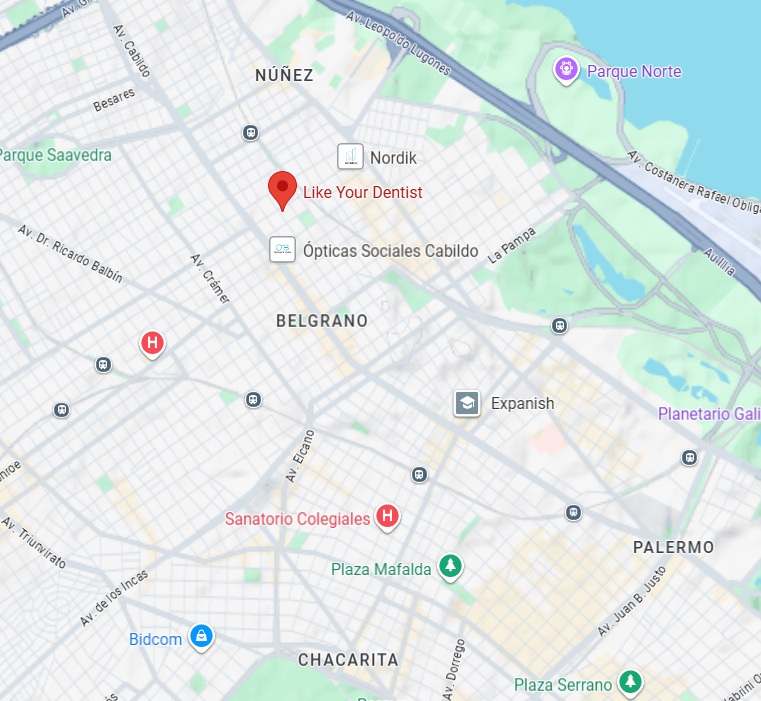
If you have a chipped or broken a tooth during your stay in Buenos Aires, we're here to help. Whether it happened while enjoying local food or exploring the city, our team understands how stressful it can feel. We will guide you through gentle, professional care to restore comfort and so you can get back to enjoying your trip with confidence.
A chipped tooth can happen to anyone. During your time in Buenos Aires, these treatments can help repair the damage and bring back your comfort and confidence:

If you're experience a chipped or broken a tooth while in Buenos Aires, we understand how unsettling it can feel, especially when you're far from your regular dentist. Our aim is to make the process simple, clear, and as comfortable as possible. From the first visit to the final check, we focus on easing your discomfort and restoring your tooth with care and attention. Here is how we usually approach the repair, step by step.
If a tooth chips in Buenos Aires, you may feel a snag with your tongue, a sharp edge on your lip, or sensitivity to air, sweets, or cold drinks. A small flake of enamel can make the bite feel slightly rough. If tenderness keeps building, if the edge keeps cutting soft tissue, or if a larger portion is missing, a timely, case-specific opinion from a dentist is usually reassuring.
Tepid water can rinse away crumbs and make the chipped outline easier to see after a meal in Palermo or Microcentro. Alcohol-heavy mouthwashes often sting exposed dentin; plain water tends to be gentler until a clinician evaluates the tooth. If a fragment detached during a bite of empanada or medialuna, keeping it clean and out of your chewing path is often more comfortable while you arrange care.
Light pressure with clean gauze or a soft cloth can help a small spot settle. To soften a rough corner, orthodontic wax—or briefly, a small piece of sugar-free gum—can create a smoother surface so you can speak and eat with less irritation. These are comfort measures rather than a repair. If bleeding doesn’t calm or the edge keeps abrading tissue, an in-person review is generally the safest next step.
Many travelers choose softer textures and chew on the opposite side to avoid catching the edge. A short, cool pack on the cheek can ease tenderness; very hot or very cold drinks may heighten sensitivity when dentin is exposed. Filing the tooth at home or forcing a DIY fix can complicate care; if the situation feels uncertain, personalized guidance from a clinician is the most reliable route.
Clinics in Recoleta, Belgrano, San Telmo, and the city center routinely assist visitors with smoothing, bonding, or a protective temporary. Same-day options and English-speaking teams are common. Clear invoices in ARS are usually available for travel insurance claims. A brief note—or a photo on WhatsApp—helps the team prepare so your visit focuses on comfort, function, and a plan that matches your schedule.
Lorem ipsum dolor sit amet, consectetur adipiscing elit, sed do eiusmod tempor incididunt ut labore et dolore magna aliqua. Ut enim ad minim veniam, quis nostrud exercitation ullamco laboris nisi ut aliquip ex ea commodo consequat. Duis aute irure dolor in reprehenderit in voluptate velit esse cillum dolore eu fugiat nulla pariatur.
Block quote
Ordered list
Unordered list
Bold text
Emphasis
Superscript
Subscript
If a tooth chips in Buenos Aires, you may feel a snag with your tongue, a sharp edge on your lip, or sensitivity to air, sweets, or cold drinks. A small flake of enamel can make the bite feel slightly rough. If tenderness keeps building, if the edge keeps cutting soft tissue, or if a larger portion is missing, a timely, case-specific opinion from a dentist is usually reassuring.
Tepid water can rinse away crumbs and make the chipped outline easier to see after a meal in Palermo or Microcentro. Alcohol-heavy mouthwashes often sting exposed dentin; plain water tends to be gentler until a clinician evaluates the tooth. If a fragment detached during a bite of empanada or medialuna, keeping it clean and out of your chewing path is often more comfortable while you arrange care.
Light pressure with clean gauze or a soft cloth can help a small spot settle. To soften a rough corner, orthodontic wax—or briefly, a small piece of sugar-free gum—can create a smoother surface so you can speak and eat with less irritation. These are comfort measures rather than a repair. If bleeding doesn’t calm or the edge keeps abrading tissue, an in-person review is generally the safest next step.
Many travelers choose softer textures and chew on the opposite side to avoid catching the edge. A short, cool pack on the cheek can ease tenderness; very hot or very cold drinks may heighten sensitivity when dentin is exposed. Filing the tooth at home or forcing a DIY fix can complicate care; if the situation feels uncertain, personalized guidance from a clinician is the most reliable route.
Clinics in Recoleta, Belgrano, San Telmo, and the city center routinely assist visitors with smoothing, bonding, or a protective temporary. Same-day options and English-speaking teams are common. Clear invoices in ARS are usually available for travel insurance claims. A brief note—or a photo on WhatsApp—helps the team prepare so your visit focuses on comfort, function, and a plan that matches your schedule.
Lorem ipsum dolor sit amet, consectetur adipiscing elit, sed do eiusmod tempor incididunt ut labore et dolore magna aliqua. Ut enim ad minim veniam, quis nostrud exercitation ullamco laboris nisi ut aliquip ex ea commodo consequat. Duis aute irure dolor in reprehenderit in voluptate velit esse cillum dolore eu fugiat nulla pariatur.
Block quote
Ordered list
Unordered list
Bold text
Emphasis
Superscript
Subscript
If a tooth chips in Buenos Aires, you may feel a snag with your tongue, a sharp edge on your lip, or sensitivity to air, sweets, or cold drinks. A small flake of enamel can make the bite feel slightly rough. If tenderness keeps building, if the edge keeps cutting soft tissue, or if a larger portion is missing, a timely, case-specific opinion from a dentist is usually reassuring.
Tepid water can rinse away crumbs and make the chipped outline easier to see after a meal in Palermo or Microcentro. Alcohol-heavy mouthwashes often sting exposed dentin; plain water tends to be gentler until a clinician evaluates the tooth. If a fragment detached during a bite of empanada or medialuna, keeping it clean and out of your chewing path is often more comfortable while you arrange care.
Light pressure with clean gauze or a soft cloth can help a small spot settle. To soften a rough corner, orthodontic wax—or briefly, a small piece of sugar-free gum—can create a smoother surface so you can speak and eat with less irritation. These are comfort measures rather than a repair. If bleeding doesn’t calm or the edge keeps abrading tissue, an in-person review is generally the safest next step.
Many travelers choose softer textures and chew on the opposite side to avoid catching the edge. A short, cool pack on the cheek can ease tenderness; very hot or very cold drinks may heighten sensitivity when dentin is exposed. Filing the tooth at home or forcing a DIY fix can complicate care; if the situation feels uncertain, personalized guidance from a clinician is the most reliable route.
Clinics in Recoleta, Belgrano, San Telmo, and the city center routinely assist visitors with smoothing, bonding, or a protective temporary. Same-day options and English-speaking teams are common. Clear invoices in ARS are usually available for travel insurance claims. A brief note—or a photo on WhatsApp—helps the team prepare so your visit focuses on comfort, function, and a plan that matches your schedule.
Lorem ipsum dolor sit amet, consectetur adipiscing elit, sed do eiusmod tempor incididunt ut labore et dolore magna aliqua. Ut enim ad minim veniam, quis nostrud exercitation ullamco laboris nisi ut aliquip ex ea commodo consequat. Duis aute irure dolor in reprehenderit in voluptate velit esse cillum dolore eu fugiat nulla pariatur.
Block quote
Ordered list
Unordered list
Bold text
Emphasis
Superscript
Subscript
If a tooth chips in Buenos Aires, you may feel a snag with your tongue, a sharp edge on your lip, or sensitivity to air, sweets, or cold drinks. A small flake of enamel can make the bite feel slightly rough. If tenderness keeps building, if the edge keeps cutting soft tissue, or if a larger portion is missing, a timely, case-specific opinion from a dentist is usually reassuring.
Tepid water can rinse away crumbs and make the chipped outline easier to see after a meal in Palermo or Microcentro. Alcohol-heavy mouthwashes often sting exposed dentin; plain water tends to be gentler until a clinician evaluates the tooth. If a fragment detached during a bite of empanada or medialuna, keeping it clean and out of your chewing path is often more comfortable while you arrange care.
Light pressure with clean gauze or a soft cloth can help a small spot settle. To soften a rough corner, orthodontic wax—or briefly, a small piece of sugar-free gum—can create a smoother surface so you can speak and eat with less irritation. These are comfort measures rather than a repair. If bleeding doesn’t calm or the edge keeps abrading tissue, an in-person review is generally the safest next step.
Many travelers choose softer textures and chew on the opposite side to avoid catching the edge. A short, cool pack on the cheek can ease tenderness; very hot or very cold drinks may heighten sensitivity when dentin is exposed. Filing the tooth at home or forcing a DIY fix can complicate care; if the situation feels uncertain, personalized guidance from a clinician is the most reliable route.
Clinics in Recoleta, Belgrano, San Telmo, and the city center routinely assist visitors with smoothing, bonding, or a protective temporary. Same-day options and English-speaking teams are common. Clear invoices in ARS are usually available for travel insurance claims. A brief note—or a photo on WhatsApp—helps the team prepare so your visit focuses on comfort, function, and a plan that matches your schedule.
Lorem ipsum dolor sit amet, consectetur adipiscing elit, sed do eiusmod tempor incididunt ut labore et dolore magna aliqua. Ut enim ad minim veniam, quis nostrud exercitation ullamco laboris nisi ut aliquip ex ea commodo consequat. Duis aute irure dolor in reprehenderit in voluptate velit esse cillum dolore eu fugiat nulla pariatur.
Block quote
Ordered list
Unordered list
Bold text
Emphasis
Superscript
Subscript
If a tooth chips in Buenos Aires, you may feel a snag with your tongue, a sharp edge on your lip, or sensitivity to air, sweets, or cold drinks. A small flake of enamel can make the bite feel slightly rough. If tenderness keeps building, if the edge keeps cutting soft tissue, or if a larger portion is missing, a timely, case-specific opinion from a dentist is usually reassuring.
Tepid water can rinse away crumbs and make the chipped outline easier to see after a meal in Palermo or Microcentro. Alcohol-heavy mouthwashes often sting exposed dentin; plain water tends to be gentler until a clinician evaluates the tooth. If a fragment detached during a bite of empanada or medialuna, keeping it clean and out of your chewing path is often more comfortable while you arrange care.
Light pressure with clean gauze or a soft cloth can help a small spot settle. To soften a rough corner, orthodontic wax—or briefly, a small piece of sugar-free gum—can create a smoother surface so you can speak and eat with less irritation. These are comfort measures rather than a repair. If bleeding doesn’t calm or the edge keeps abrading tissue, an in-person review is generally the safest next step.
Many travelers choose softer textures and chew on the opposite side to avoid catching the edge. A short, cool pack on the cheek can ease tenderness; very hot or very cold drinks may heighten sensitivity when dentin is exposed. Filing the tooth at home or forcing a DIY fix can complicate care; if the situation feels uncertain, personalized guidance from a clinician is the most reliable route.
Clinics in Recoleta, Belgrano, San Telmo, and the city center routinely assist visitors with smoothing, bonding, or a protective temporary. Same-day options and English-speaking teams are common. Clear invoices in ARS are usually available for travel insurance claims. A brief note—or a photo on WhatsApp—helps the team prepare so your visit focuses on comfort, function, and a plan that matches your schedule.
Lorem ipsum dolor sit amet, consectetur adipiscing elit, sed do eiusmod tempor incididunt ut labore et dolore magna aliqua. Ut enim ad minim veniam, quis nostrud exercitation ullamco laboris nisi ut aliquip ex ea commodo consequat. Duis aute irure dolor in reprehenderit in voluptate velit esse cillum dolore eu fugiat nulla pariatur.
Block quote
Ordered list
Unordered list
Bold text
Emphasis
Superscript
Subscript
If a tooth chips in Buenos Aires, you may feel a snag with your tongue, a sharp edge on your lip, or sensitivity to air, sweets, or cold drinks. A small flake of enamel can make the bite feel slightly rough. If tenderness keeps building, if the edge keeps cutting soft tissue, or if a larger portion is missing, a timely, case-specific opinion from a dentist is usually reassuring.
Tepid water can rinse away crumbs and make the chipped outline easier to see after a meal in Palermo or Microcentro. Alcohol-heavy mouthwashes often sting exposed dentin; plain water tends to be gentler until a clinician evaluates the tooth. If a fragment detached during a bite of empanada or medialuna, keeping it clean and out of your chewing path is often more comfortable while you arrange care.
Light pressure with clean gauze or a soft cloth can help a small spot settle. To soften a rough corner, orthodontic wax—or briefly, a small piece of sugar-free gum—can create a smoother surface so you can speak and eat with less irritation. These are comfort measures rather than a repair. If bleeding doesn’t calm or the edge keeps abrading tissue, an in-person review is generally the safest next step.
Many travelers choose softer textures and chew on the opposite side to avoid catching the edge. A short, cool pack on the cheek can ease tenderness; very hot or very cold drinks may heighten sensitivity when dentin is exposed. Filing the tooth at home or forcing a DIY fix can complicate care; if the situation feels uncertain, personalized guidance from a clinician is the most reliable route.
Clinics in Recoleta, Belgrano, San Telmo, and the city center routinely assist visitors with smoothing, bonding, or a protective temporary. Same-day options and English-speaking teams are common. Clear invoices in ARS are usually available for travel insurance claims. A brief note—or a photo on WhatsApp—helps the team prepare so your visit focuses on comfort, function, and a plan that matches your schedule.
Lorem ipsum dolor sit amet, consectetur adipiscing elit, sed do eiusmod tempor incididunt ut labore et dolore magna aliqua. Ut enim ad minim veniam, quis nostrud exercitation ullamco laboris nisi ut aliquip ex ea commodo consequat. Duis aute irure dolor in reprehenderit in voluptate velit esse cillum dolore eu fugiat nulla pariatur.
Block quote
Ordered list
Unordered list
Bold text
Emphasis
Superscript
Subscript
If a tooth chips in Buenos Aires, you may feel a snag with your tongue, a sharp edge on your lip, or sensitivity to air, sweets, or cold drinks. A small flake of enamel can make the bite feel slightly rough. If tenderness keeps building, if the edge keeps cutting soft tissue, or if a larger portion is missing, a timely, case-specific opinion from a dentist is usually reassuring.
Tepid water can rinse away crumbs and make the chipped outline easier to see after a meal in Palermo or Microcentro. Alcohol-heavy mouthwashes often sting exposed dentin; plain water tends to be gentler until a clinician evaluates the tooth. If a fragment detached during a bite of empanada or medialuna, keeping it clean and out of your chewing path is often more comfortable while you arrange care.
Light pressure with clean gauze or a soft cloth can help a small spot settle. To soften a rough corner, orthodontic wax—or briefly, a small piece of sugar-free gum—can create a smoother surface so you can speak and eat with less irritation. These are comfort measures rather than a repair. If bleeding doesn’t calm or the edge keeps abrading tissue, an in-person review is generally the safest next step.
Many travelers choose softer textures and chew on the opposite side to avoid catching the edge. A short, cool pack on the cheek can ease tenderness; very hot or very cold drinks may heighten sensitivity when dentin is exposed. Filing the tooth at home or forcing a DIY fix can complicate care; if the situation feels uncertain, personalized guidance from a clinician is the most reliable route.
Clinics in Recoleta, Belgrano, San Telmo, and the city center routinely assist visitors with smoothing, bonding, or a protective temporary. Same-day options and English-speaking teams are common. Clear invoices in ARS are usually available for travel insurance claims. A brief note—or a photo on WhatsApp—helps the team prepare so your visit focuses on comfort, function, and a plan that matches your schedule.
Lorem ipsum dolor sit amet, consectetur adipiscing elit, sed do eiusmod tempor incididunt ut labore et dolore magna aliqua. Ut enim ad minim veniam, quis nostrud exercitation ullamco laboris nisi ut aliquip ex ea commodo consequat. Duis aute irure dolor in reprehenderit in voluptate velit esse cillum dolore eu fugiat nulla pariatur.
Block quote
Ordered list
Unordered list
Bold text
Emphasis
Superscript
Subscript
If a tooth chips in Buenos Aires, you may feel a snag with your tongue, a sharp edge on your lip, or sensitivity to air, sweets, or cold drinks. A small flake of enamel can make the bite feel slightly rough. If tenderness keeps building, if the edge keeps cutting soft tissue, or if a larger portion is missing, a timely, case-specific opinion from a dentist is usually reassuring.
Tepid water can rinse away crumbs and make the chipped outline easier to see after a meal in Palermo or Microcentro. Alcohol-heavy mouthwashes often sting exposed dentin; plain water tends to be gentler until a clinician evaluates the tooth. If a fragment detached during a bite of empanada or medialuna, keeping it clean and out of your chewing path is often more comfortable while you arrange care.
Light pressure with clean gauze or a soft cloth can help a small spot settle. To soften a rough corner, orthodontic wax—or briefly, a small piece of sugar-free gum—can create a smoother surface so you can speak and eat with less irritation. These are comfort measures rather than a repair. If bleeding doesn’t calm or the edge keeps abrading tissue, an in-person review is generally the safest next step.
Many travelers choose softer textures and chew on the opposite side to avoid catching the edge. A short, cool pack on the cheek can ease tenderness; very hot or very cold drinks may heighten sensitivity when dentin is exposed. Filing the tooth at home or forcing a DIY fix can complicate care; if the situation feels uncertain, personalized guidance from a clinician is the most reliable route.
Clinics in Recoleta, Belgrano, San Telmo, and the city center routinely assist visitors with smoothing, bonding, or a protective temporary. Same-day options and English-speaking teams are common. Clear invoices in ARS are usually available for travel insurance claims. A brief note—or a photo on WhatsApp—helps the team prepare so your visit focuses on comfort, function, and a plan that matches your schedule.
Lorem ipsum dolor sit amet, consectetur adipiscing elit, sed do eiusmod tempor incididunt ut labore et dolore magna aliqua. Ut enim ad minim veniam, quis nostrud exercitation ullamco laboris nisi ut aliquip ex ea commodo consequat. Duis aute irure dolor in reprehenderit in voluptate velit esse cillum dolore eu fugiat nulla pariatur.
Block quote
Ordered list
Unordered list
Bold text
Emphasis
Superscript
Subscript
If a tooth chips in Buenos Aires, you may feel a snag with your tongue, a sharp edge on your lip, or sensitivity to air, sweets, or cold drinks. A small flake of enamel can make the bite feel slightly rough. If tenderness keeps building, if the edge keeps cutting soft tissue, or if a larger portion is missing, a timely, case-specific opinion from a dentist is usually reassuring.
Tepid water can rinse away crumbs and make the chipped outline easier to see after a meal in Palermo or Microcentro. Alcohol-heavy mouthwashes often sting exposed dentin; plain water tends to be gentler until a clinician evaluates the tooth. If a fragment detached during a bite of empanada or medialuna, keeping it clean and out of your chewing path is often more comfortable while you arrange care.
Light pressure with clean gauze or a soft cloth can help a small spot settle. To soften a rough corner, orthodontic wax—or briefly, a small piece of sugar-free gum—can create a smoother surface so you can speak and eat with less irritation. These are comfort measures rather than a repair. If bleeding doesn’t calm or the edge keeps abrading tissue, an in-person review is generally the safest next step.
Many travelers choose softer textures and chew on the opposite side to avoid catching the edge. A short, cool pack on the cheek can ease tenderness; very hot or very cold drinks may heighten sensitivity when dentin is exposed. Filing the tooth at home or forcing a DIY fix can complicate care; if the situation feels uncertain, personalized guidance from a clinician is the most reliable route.
Clinics in Recoleta, Belgrano, San Telmo, and the city center routinely assist visitors with smoothing, bonding, or a protective temporary. Same-day options and English-speaking teams are common. Clear invoices in ARS are usually available for travel insurance claims. A brief note—or a photo on WhatsApp—helps the team prepare so your visit focuses on comfort, function, and a plan that matches your schedule.
Lorem ipsum dolor sit amet, consectetur adipiscing elit, sed do eiusmod tempor incididunt ut labore et dolore magna aliqua. Ut enim ad minim veniam, quis nostrud exercitation ullamco laboris nisi ut aliquip ex ea commodo consequat. Duis aute irure dolor in reprehenderit in voluptate velit esse cillum dolore eu fugiat nulla pariatur.
Block quote
Ordered list
Unordered list
Bold text
Emphasis
Superscript
Subscript
If a tooth chips in Buenos Aires, you may feel a snag with your tongue, a sharp edge on your lip, or sensitivity to air, sweets, or cold drinks. A small flake of enamel can make the bite feel slightly rough. If tenderness keeps building, if the edge keeps cutting soft tissue, or if a larger portion is missing, a timely, case-specific opinion from a dentist is usually reassuring.
Tepid water can rinse away crumbs and make the chipped outline easier to see after a meal in Palermo or Microcentro. Alcohol-heavy mouthwashes often sting exposed dentin; plain water tends to be gentler until a clinician evaluates the tooth. If a fragment detached during a bite of empanada or medialuna, keeping it clean and out of your chewing path is often more comfortable while you arrange care.
Light pressure with clean gauze or a soft cloth can help a small spot settle. To soften a rough corner, orthodontic wax—or briefly, a small piece of sugar-free gum—can create a smoother surface so you can speak and eat with less irritation. These are comfort measures rather than a repair. If bleeding doesn’t calm or the edge keeps abrading tissue, an in-person review is generally the safest next step.
Many travelers choose softer textures and chew on the opposite side to avoid catching the edge. A short, cool pack on the cheek can ease tenderness; very hot or very cold drinks may heighten sensitivity when dentin is exposed. Filing the tooth at home or forcing a DIY fix can complicate care; if the situation feels uncertain, personalized guidance from a clinician is the most reliable route.
Clinics in Recoleta, Belgrano, San Telmo, and the city center routinely assist visitors with smoothing, bonding, or a protective temporary. Same-day options and English-speaking teams are common. Clear invoices in ARS are usually available for travel insurance claims. A brief note—or a photo on WhatsApp—helps the team prepare so your visit focuses on comfort, function, and a plan that matches your schedule.
Lorem ipsum dolor sit amet, consectetur adipiscing elit, sed do eiusmod tempor incididunt ut labore et dolore magna aliqua. Ut enim ad minim veniam, quis nostrud exercitation ullamco laboris nisi ut aliquip ex ea commodo consequat. Duis aute irure dolor in reprehenderit in voluptate velit esse cillum dolore eu fugiat nulla pariatur.
Block quote
Ordered list
Unordered list
Bold text
Emphasis
Superscript
Subscript
If a tooth chips in Buenos Aires, you may feel a snag with your tongue, a sharp edge on your lip, or sensitivity to air, sweets, or cold drinks. A small flake of enamel can make the bite feel slightly rough. If tenderness keeps building, if the edge keeps cutting soft tissue, or if a larger portion is missing, a timely, case-specific opinion from a dentist is usually reassuring.
Tepid water can rinse away crumbs and make the chipped outline easier to see after a meal in Palermo or Microcentro. Alcohol-heavy mouthwashes often sting exposed dentin; plain water tends to be gentler until a clinician evaluates the tooth. If a fragment detached during a bite of empanada or medialuna, keeping it clean and out of your chewing path is often more comfortable while you arrange care.
Light pressure with clean gauze or a soft cloth can help a small spot settle. To soften a rough corner, orthodontic wax—or briefly, a small piece of sugar-free gum—can create a smoother surface so you can speak and eat with less irritation. These are comfort measures rather than a repair. If bleeding doesn’t calm or the edge keeps abrading tissue, an in-person review is generally the safest next step.
Many travelers choose softer textures and chew on the opposite side to avoid catching the edge. A short, cool pack on the cheek can ease tenderness; very hot or very cold drinks may heighten sensitivity when dentin is exposed. Filing the tooth at home or forcing a DIY fix can complicate care; if the situation feels uncertain, personalized guidance from a clinician is the most reliable route.
Clinics in Recoleta, Belgrano, San Telmo, and the city center routinely assist visitors with smoothing, bonding, or a protective temporary. Same-day options and English-speaking teams are common. Clear invoices in ARS are usually available for travel insurance claims. A brief note—or a photo on WhatsApp—helps the team prepare so your visit focuses on comfort, function, and a plan that matches your schedule.
Lorem ipsum dolor sit amet, consectetur adipiscing elit, sed do eiusmod tempor incididunt ut labore et dolore magna aliqua. Ut enim ad minim veniam, quis nostrud exercitation ullamco laboris nisi ut aliquip ex ea commodo consequat. Duis aute irure dolor in reprehenderit in voluptate velit esse cillum dolore eu fugiat nulla pariatur.
Block quote
Ordered list
Unordered list
Bold text
Emphasis
Superscript
Subscript
If a tooth chips in Buenos Aires, you may feel a snag with your tongue, a sharp edge on your lip, or sensitivity to air, sweets, or cold drinks. A small flake of enamel can make the bite feel slightly rough. If tenderness keeps building, if the edge keeps cutting soft tissue, or if a larger portion is missing, a timely, case-specific opinion from a dentist is usually reassuring.
Tepid water can rinse away crumbs and make the chipped outline easier to see after a meal in Palermo or Microcentro. Alcohol-heavy mouthwashes often sting exposed dentin; plain water tends to be gentler until a clinician evaluates the tooth. If a fragment detached during a bite of empanada or medialuna, keeping it clean and out of your chewing path is often more comfortable while you arrange care.
Light pressure with clean gauze or a soft cloth can help a small spot settle. To soften a rough corner, orthodontic wax—or briefly, a small piece of sugar-free gum—can create a smoother surface so you can speak and eat with less irritation. These are comfort measures rather than a repair. If bleeding doesn’t calm or the edge keeps abrading tissue, an in-person review is generally the safest next step.
Many travelers choose softer textures and chew on the opposite side to avoid catching the edge. A short, cool pack on the cheek can ease tenderness; very hot or very cold drinks may heighten sensitivity when dentin is exposed. Filing the tooth at home or forcing a DIY fix can complicate care; if the situation feels uncertain, personalized guidance from a clinician is the most reliable route.
Clinics in Recoleta, Belgrano, San Telmo, and the city center routinely assist visitors with smoothing, bonding, or a protective temporary. Same-day options and English-speaking teams are common. Clear invoices in ARS are usually available for travel insurance claims. A brief note—or a photo on WhatsApp—helps the team prepare so your visit focuses on comfort, function, and a plan that matches your schedule.
Lorem ipsum dolor sit amet, consectetur adipiscing elit, sed do eiusmod tempor incididunt ut labore et dolore magna aliqua. Ut enim ad minim veniam, quis nostrud exercitation ullamco laboris nisi ut aliquip ex ea commodo consequat. Duis aute irure dolor in reprehenderit in voluptate velit esse cillum dolore eu fugiat nulla pariatur.
Block quote
Ordered list
Unordered list
Bold text
Emphasis
Superscript
Subscript
We provide fast, reliable and to be trusted emergency care for travelers and tourists. Building trust and confidence stands central in our care. Pricing and the way we communicate must be easy to understand.
Replacingo ourselves in travelers results in that we understand you want to spend little time on dentistry but want reliable and safe care at the same time.
Our team uses the latest technology and techniques to ensure that you receive the most effective treatments for optimal results.
After your treatment, we want to know how you are along the way and provide you with brief digital documentation to record how we helped.

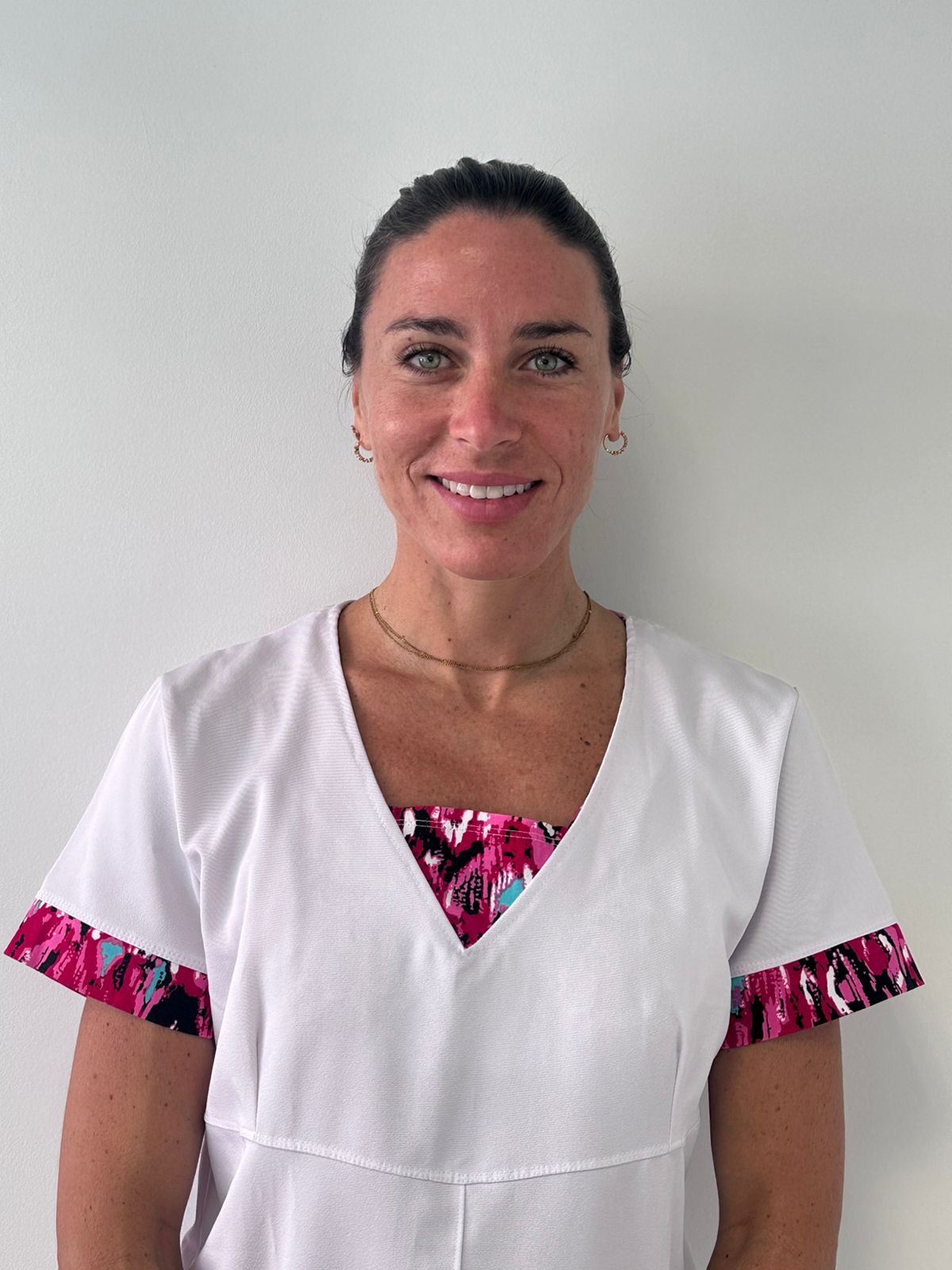
Founder & Cosmetic Emergency Dentist

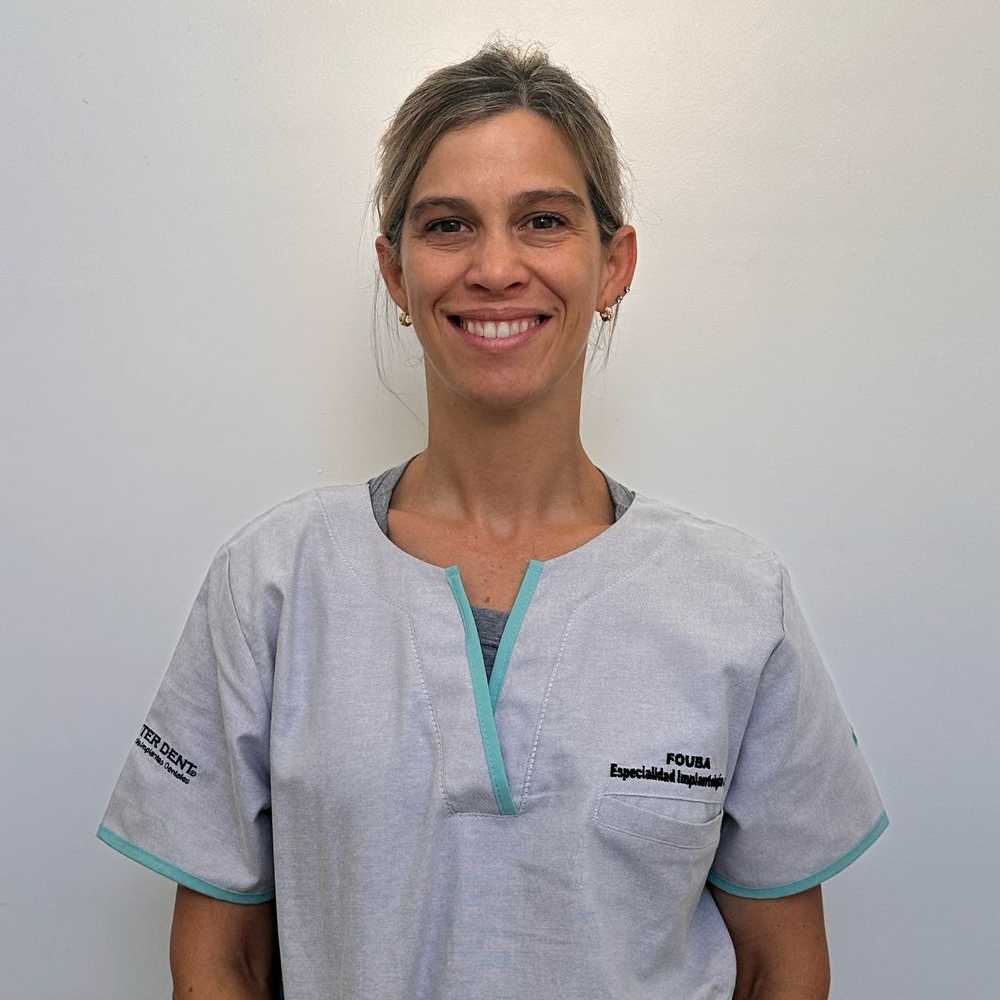
Sr. Emergency Dentist

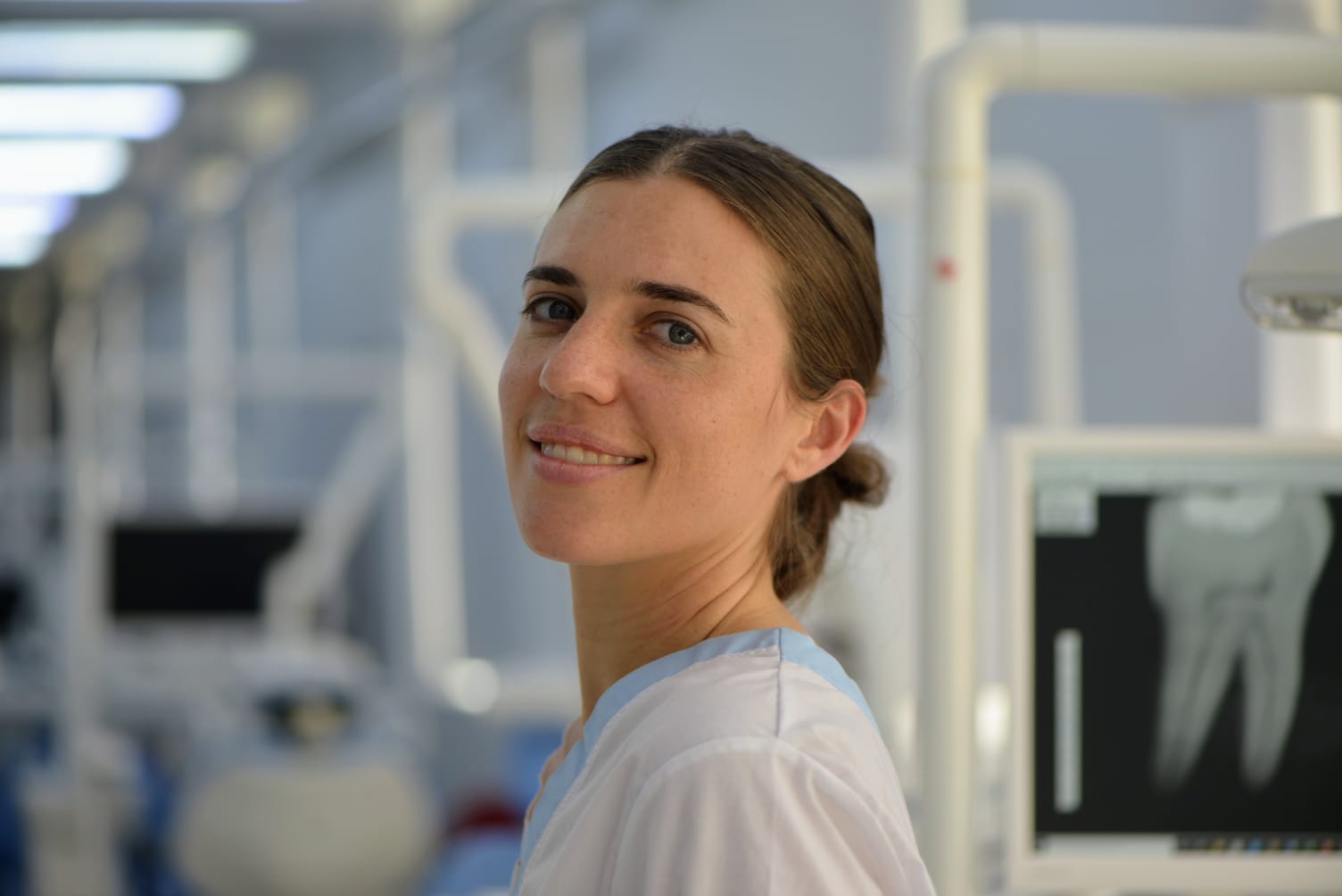
Sr. Emergency Dentist
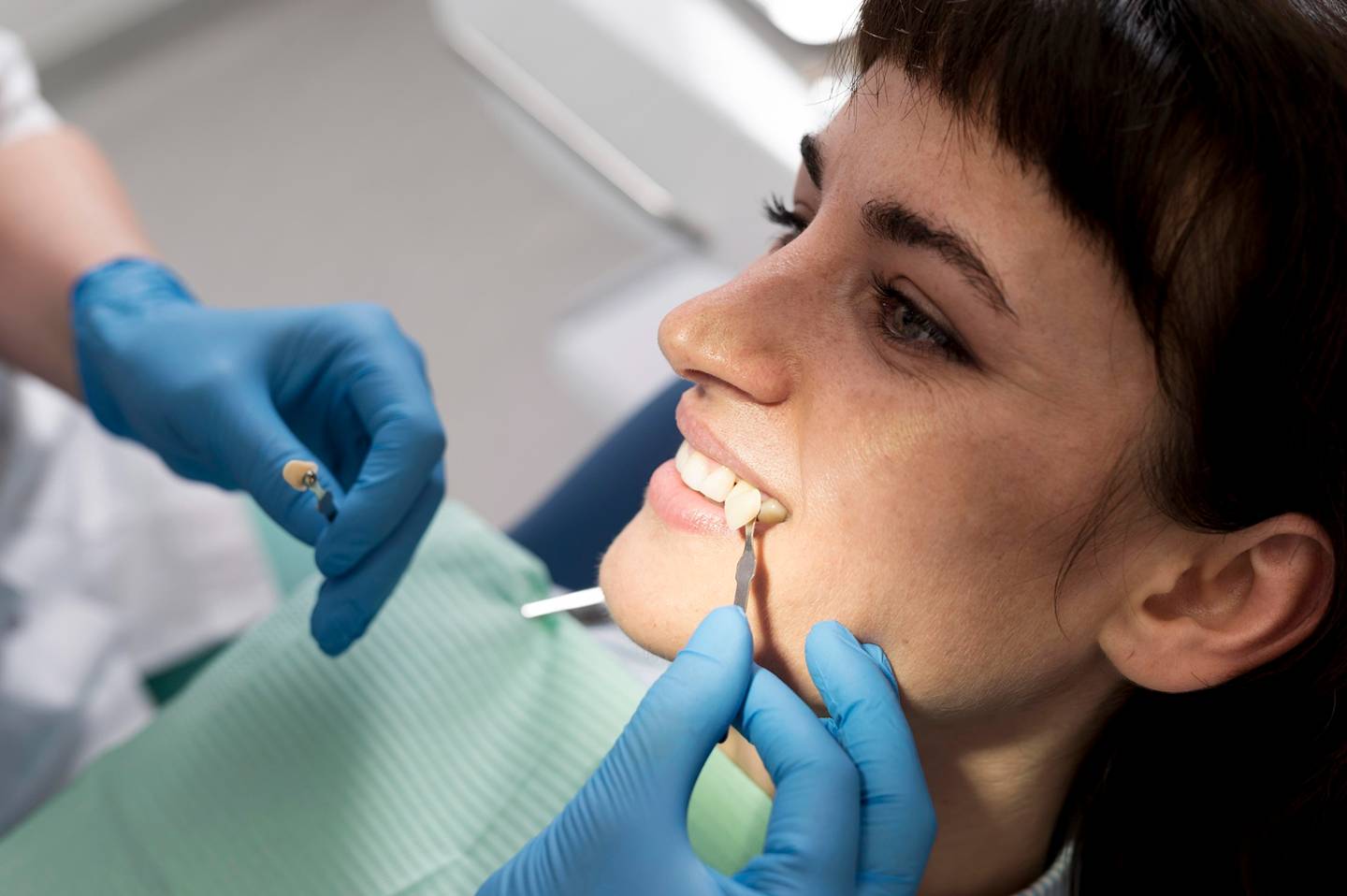
Your dentist may polish the edge, place a tooth-colored bonding, or use a small temporary dressing if the area is sensitive. A quick bite check helps ensure chewing feels even. Mild cold sensitivity for a short time can be normal; if something feels off—like a “high” spot—sharing that detail helps the team fine-tune comfort for your trip.
In Buenos Aires, WhatsApp is a practical way to check in from a café in Colegiales or during a stroll through Plaza Dorrego. A short message or photo can answer common questions about sensitivity, timing for a touch-up, or whether a brief check would help. For anything complex, your treating dentist’s personalized advice remains the reference point.
For a day or so, you might prefer moderate textures and small, careful brushing motions near the repair. Flossing gently around the area helps keep margins clean. Very hot mate or icy drinks can amplify sensitivity right after treatment for some people. These simple habits make city days—museums, parks, river walks—more comfortable while tissues settle.
Dental issues abroad can raise practical questions, and we’re here to help with that too. We provide clear invoices for your travel insurance claim and can explain how dental emergencies are typically covered in Argentina. If you need additional care later, we can connect you with trusted clinics in other Argentine cities.
The materials we use to repair chipped and broken teeth — like high-quality composites, veneers, and crowns — are durable and designed to last well beyond your trip. You’ll also receive a brief written guide with care recommendations to share with your regular dentist back home, ensuring continuity of care wherever you are.

Once a bracket is secured or a wire is changed, a quick check-in can confirm that talking and eating feel natural again. You’ll typically receive simple guidance—how to brush around the repair, what textures are easiest early on, and when a brief follow-up could help. If anything feels unusual, your treating clinician can advise based on your specific situation.
Questions sometimes arise once you leave the clinic. A short WhatsApp message or online chat can clarify comfort, timing for a check, or whether a photo might help. Whether you are between cafés in Palermo or traveling onward to Mendoza or Bariloche, clear step-by-step support keeps daily life—and orthodontic care—moving calmly. When uncertainty persists, a personalized opinion from a clinician is usually the safest route.
For the first day, you may prefer gentler textures and to skip very sticky or hard bites (some alfajores and crunchy nuts can tug at wires). Small, careful brushing motions around the repair help reduce rubbing, and staying well hydrated can feel kinder for sensitive areas. These habits tend to protect the appliance while you enjoy museums, parks, and cafés across the city.
Practicalities matter on the road. Clear invoices in pesos (with diagnostic notes when appropriate) are commonly provided to support claims with travel insurers. If additional care is anticipated later, concise notes for a home orthodontist—or referrals to reputable clinics elsewhere in Argentina—can help maintain continuity and avoid repeated work or confusion about materials used.
Repairs typically use durable components compatible with ongoing treatment—brackets, ligatures, and archwires matched to your appliance. When helpful, the team can note bracket system details and wire size so your home orthodontist knows exactly what changed. If comfort or function still feels off at any point, a tailored, in-person review is usually the most reliable way to protect your oral health and planned tooth movement.

Your visit usually includes a careful look at the crown and underlying tooth, a bite (occlusion) check, and an evaluation of the surrounding gum. Depending on findings, options may include recementing an intact crown, placing a protective temporary, or planning a new crown if the structure has changed. When choices are nuanced, clinicians explain benefits and trade-offs clearly so you can choose what fits your travel timing.
After recementation or a temporary restoration, short WhatsApp check-ins can confirm that your bite feels even and comfort is improving. If anything unusual appears—like a high spot after meals—sharing that context helps the team advise whether a quick adjustment would be useful. For specific concerns, guidance from the treating dentist remains the reference point.
Moderate textures for a day or so and gentle brushing around the margin—small, careful motions—often feel better as tissues settle. Sudden temperature shifts can amplify sensitivity if dentin was recently exposed. These simple habits can make the day smoother while you enjoy the city, whether that’s browsing San Telmo or pausing at a café near Plaza Armenia.
Travelers often ask about paperwork. Clinics typically provide clear invoices in ARS with the treatment described, which many insurers request for claims. If additional care is likely later in the trip or back home, a concise clinical note can be prepared to support continuity, reducing repeated work and making follow-up more straightforward.
Crowns may be zirconia, porcelain-fused-to-metal, ceramic, or hybrid designs. When relevant, shade information, material type, and any adjustments can be recorded so your home dentist understands what was placed or modified. If questions persist about comfort, bite, or durability, arranging tailored advice is usually the most reliable way to protect the tooth and your longer-term plan.

Your appointment typically includes a focused exam and, when useful, radiographs. If needed, local anesthesia helps you stay comfortable. Teams often isolate the tooth (rubber dam or alternatives), remove softened decay, and place a tooth-colored material in layers for strength and seal. Your bite (occlusion) is checked so chewing feels even. Where options differ, pros and cons are explained calmly.
After treatment, short WhatsApp check-ins can confirm that your bite feels right and sensitivity is settling. If something feels unusual later in the day, a quick photo or note is often enough for guidance. When doubt remains—like tenderness that worsens after several days—your treating dentist’s personalized advice is the reference point for next steps.
Many people resume gentle brushing the same day, using small, careful motions near the restored area. Some composite fillings are ready for light chewing right away; others feel better with softer textures for a short period—your team will clarify what applies to you. Avoiding extreme temperatures briefly can be more comfortable if the tooth was sensitive before.
If you need paperwork, clinics typically provide clear invoices in pesos with treatment details that many insurers request. When you plan follow-up at home, a concise clinical note can summarize materials used, surfaces restored, and any recommendations—making it easier for your regular dentist to continue care smoothly.
In Argentina, direct restorations are commonly placed with modern composites; glass ionomer or resin-modified options may be suggested when moisture control is limited or fluoride release is useful. Shade is chosen to blend with your enamel. When helpful, photos and material details are documented for your home dentist. If questions persist about comfort or longevity, a tailored, in-person review is usually the most reliable path.

You’ll usually start with a simple conversation about what you’d like to refine, followed by a careful look at enamel thickness, bite, and existing restorations. Many clinicians begin with test polishing so you can feel the change before committing to further steps. When choices are nuanced, benefits and trade-offs are explained in plain language, keeping the approach calm and conservative.
After treatment, short WhatsApp check-ins can confirm that your bite feels right and sensitivity is settling. If something feels unusual later in the day, a quick photo or note is often enough for guidance. When doubt remains—like tenderness that worsens after several days—your treating dentist’s personalized advice is the reference point for next steps.
Many people resume gentle brushing the same day, using small, careful motions near the restored area. Some composite fillings are ready for light chewing right away; others feel better with softer textures for a short period—your team will clarify what applies to you. Avoiding extreme temperatures briefly can be more comfortable if the tooth was sensitive before.
Cosmetic touch-ups are generally elective, so travel insurance may not apply; however, you’ll typically receive a clear, itemized invoice in ARS. If any prior urgent care is related, documentation can separate the emergency portion from elective refinements. This transparency helps with personal budgeting and any conversations with your insurer.
Small refinements often use polishing systems, microabrasion pastes, and high-quality composites selected to blend with your enamel. Longevity depends on habits and foods, so periodic polishing might be suggested in the future. When useful, the clinic can share a brief summary—materials, shade, and areas refined—so your home dentist understands what was done and can build on it as needed. If anything feels uncertain later, a personalized evaluation remains the most reliable path.

If you have recent X-rays, aligner trays, a night guard, or notes from a home dentist, bringing them can add helpful context. Some people prefer a light snack and a glass of water beforehand; coffee can come after the polish if you’re planning photos. If you take medications, a short list supports safe, tailored care.
You can expect a calm look at gum pockets, enamel edges, and how your teeth meet when you bite. Plaque and tartar are gently removed, then polishing smooths the surface. Where appropriate, localized fluoride varnish or sensitivity care may be discussed. If images are needed, the reason is explained first, and alternative options are considered when time is tight.
Many people feel comfortable brushing with small, careful motions that evening and sipping water after meals to reduce acid exposure. Choosing snacks that don’t stick—especially on days with medialunas or dulce de leche—can feel kinder for teeth. These are gentle suggestions; your individual plan is based on the exam and what feels realistic for your trip.
If a question pops up later—perhaps a spot feels rough after lunch—sending a quick note or photo helps the team advise whether a small adjustment could help. Digital nomads often appreciate flexible check-ins that align with work hours or travel days, keeping preventive care simple and predictable.
Small refinements often use polishing systems, microabrasion pastes, and high-quality composites selected to blend with your enamel. Longevity depends on habits and foods, so periodic polishing might be suggested in the future. When useful, the clinic can share a brief summary—materials, shade, and areas refined—so your home dentist understands what was done and can build on it as needed. If anything feels uncertain later, a personalized evaluation remains the most reliable path.

If you have recent X-rays, aligner trays, a night guard, or notes from a home dentist, bringing them can add helpful context. Some people prefer a light snack and a glass of water beforehand; coffee can come after the polish if you’re planning photos. If you take medications, a short list supports safe, tailored care.
Bitewing X-rays, panoramic images, or photos can clarify bone levels and show where deposits hide. Pocket depths are recorded in millimeters to track health over time. If your stay is short, the plan often focuses on the areas that most affect comfort now, with a summary for follow-up later if needed.
Many people feel better brushing twice daily with small, gentle strokes at the gumline and cleaning between teeth once a day using tools that feel comfortable for them. Sipping water after meals—especially with sweets like medialunas or dulce de leche—can help reduce acid exposure. These ideas are supportive rather than strict rules; your clinician can tailor them to you.
If a spot keeps bleeding or a space traps food after lunch in San Telmo, a quick WhatsApp note or photo can help the team advise whether a brief adjustment or a focused cleaning would be useful. Digital nomads often appreciate scheduling that fits work blocks and travel days so care stays predictable.
You’ll typically receive an itemized invoice in ARS with diagnostic notes that many insurers request. If you’d like, pocket charts, photos, and a brief summary of treatment (for example, areas cleaned or debrided) can be shared for your home dentist. This continuity reduces repeated work and supports long-term gum health wherever you’re based.

Your dentist checks the crown and the tooth underneath, cleans residual cement, and looks for decay around the margins. Bite (occlusion) and gum health are reviewed, and X-rays may be taken if needed. If the crown is intact and the fit is sound, recementation may be possible; if structure has changed, a protective temporary or a plan for a new crown is discussed in clear, simple terms.
When travel is compressed, interim options can stabilize the area: a temporary crown, a protective dressing over sensitive dentin, or recementation with the understanding that a new crown might be planned later. Your clinician explains benefits, limits, and expected longevity so you can choose what fits your schedule and comfort level now.
Many people feel comfortable returning to gentle brushing the same day, using small motions near the margin. For a short period, avoiding very sticky or hard bites can help the cement set undisturbed. If floss catches near the crown, sliding it out to the side (rather than pulling up) may feel smoother. If tenderness increases, your dentist can tailor advice to your case.
After your visit, a brief message can confirm that your bite feels even and that sensitivity is settling. If something seems high after meals or you notice food trapping again, a quick photo or note helps determine whether a small adjustment would help. Personalized guidance from your treating dentist remains the reference point when anything feels unclear.
Clinics typically provide itemized invoices in pesos with treatment descriptions that many travel insurers request. If you’ll continue care back home or elsewhere in Argentina, you can ask for a concise clinical summary—what was found, what was placed, and any recommendations—to support smooth follow-up and avoid repeated work.

Your clinician gently checks the area, evaluates the tooth and gums, and looks for signs like drainage points or food impaction. When helpful, bitewing or periapical X-rays clarify the source; a vitality test may assess the nerve. Findings are explained in plain language, with options that match your stay and comfort.
When travel is compressed, interim options can stabilize the area: a temporary crown, a protective dressing over sensitive dentin, or recementation with the understanding that a new crown might be planned later. Your clinician explains benefits, limits, and expected longevity so you can choose what fits your schedule and comfort level now.
For travelers, care often prioritizes stabilization—calming irritated tissues, addressing the source when possible, and outlining what to watch for as you continue your trip. If longer procedures are better handled at home, your dentist can provide a concise note and recommendations so nothing is lost in translation.
If gums pull slightly from teeth, feel sore when pressed, or you notice spaces that trap food more than before, the issue may involve early periodontitis (deeper inflammation around the supporting tissues). Bad breath that persists and bleeding that doesn’t settle often deserve a closer look. For specifics—especially if you have implants or a history of gum problems—tailored guidance is recommended.
Clinics across Microcentro, Belgrano, and Colegiales regularly see travelers and expats for gum concerns, from preventive cleanings to scaling and root planing. Same-day options and English-speaking teams are common, and invoices are typically issued in ARS for insurance claims. A short WhatsApp message—with a photo if you wish—helps the team prepare so your visit stays efficient and calm.

You’ll discuss goals, check enamel and gums, and review any recent care. If you’re a candidate, gel is applied in short, supervised cycles with suction and soft tissue protection. Sessions are paced so you can pause if sensitivity appears. Results are compared to your starting shade before you head back to your day.
Whitening works best on natural enamel. Bondings, veneers, and crowns don’t lighten, so planning around them matters. If you’re pregnant, nursing, or have active gum inflammation, your dentist may suggest postponing. When you have questions about your unique situation, personalized guidance remains the reference point.
For travelers, care often prioritizes stabilization—calming irritated tissues, addressing the source when possible, and outlining what to watch for as you continue your trip. If longer procedures are better handled at home, your dentist can provide a concise note and recommendations so nothing is lost in translation.
Short on time? Whitening can be paired with a checkup or a small polish visit earlier in the week, then a quick review before you fly. Clinics in Palermo Soho, San Nicolás, Retiro, and Villa Crespo often offer flexible slots so you can fit care between the subte and dinner plans. WhatsApp works well for quick coordination and photo updates.
Most insurers consider whitening elective, but you’ll receive a clear, itemized invoice in ARS. If whitening is planned alongside urgent or restorative care, documentation can separate cosmetic from clinical steps. At your request, photos, starting/ending shades, and materials can be shared securely for your home dentist, keeping future care straightforward.

Your clinician checks the tooth, gums, and bite, looking for tenderness to tapping, temperature response, or a contact that feels too high. If indicated, a temporary soothing dressing, bite adjustment, or pain-relief strategies are discussed. Explanations stay simple, and options are shaped around your timing in Buenos Aires.
Bitewing or periapical X-rays can reveal deep decay, a crack line, or changes near the nerve; photos help track visible fractures or wear. If an endodontic (root canal) evaluation is considered, the reasons are explained in plain language. When time is tight, plans focus on the steps most likely to ease pain now, with a clear summary for follow-up if needed.
For travelers, care often aims to stabilize: calming the nerve, smoothing a painful contact, sealing a cavity temporarily, or planning a definitive step if time allows. Where choices are nuanced, benefits and trade-offs are outlined so you can choose the path that fits your comfort and schedule.
Many people feel better brushing gently around the sore area and spacing very hot or very cold items for a short period. Sipping water after meals can help clear sugars if medialunas or dulce de leche are on the agenda. These are supportive ideas; your plan is personalized to your mouth and your trip.
If a tooth still aches after lunch in Retiro or a spot feels “high” later in the day, a quick WhatsApp note can help decide whether a small adjustment or a different approach would be useful. Digital nomads often prefer brief check-ins that align with work blocks, keeping care predictable and calm.

Your dentist looks at the enamel edges, gumline, and bite contacts, then gently tests the tooth’s response to temperature and touch. If indicated, localized fluoride or desensitizing varnish may be discussed, and rough edges can sometimes be smoothed. Where choices vary, benefits and trade-offs are explained calmly so you can decide what feels right for you.
Bitewing or periapical X-rays can show hidden decay or changes near a nerve; photos help track surface wear and gum recession. If a high contact is suspected, articulating paper checks for an “occlusal high spot.” When time is tight, plans focus on steps that reduce triggers now, with a brief summary for follow-up later if needed.
Many people feel more comfortable brushing with small, angled strokes at the gumline and cleaning between teeth once daily with a tool that feels easy to use (waxed floss or interdental brushes). Spacing very hot or very cold items—like iced sodas or steaming mate—can be gentler for a few days. These are supportive ideas; your plan is tailored to your comfort and schedule.
Short on time? Whitening can be paired with a checkup or a small polish visit earlier in the week, then a quick review before you fly. Clinics in Palermo Soho, San Nicolás, Retiro, and Villa Crespo often offer flexible slots so you can fit care between the subte and dinner plans. WhatsApp works well for quick coordination and photo updates.
You’ll typically receive an itemized invoice in pesos with diagnostic notes many insurers request. At your request, images, shade or material notes (if a restoration is involved), and a concise summary can be shared for your home dentist. This continuity reduces repeated work and supports long-term comfort—wherever you’re based.

We are always keen to have a look whether we can help you out. In case you currently face an urgent dental issue, just drop us a line and we will be happy to see how we can possibly help you out. The fastest way to reach us is by Whatsapp.

If you wish to take some more space to discuss your chipped tooth case or simply prefer to communicate via email instead of Whatsapp: reach out below.
Fill out the form below, and we’ll get back to you as soon as possible.
Seek emergency dental care and describe when and how the chip happened. A dentist will examine the tooth in person and discuss safe options like smoothing, bonding, or a temporary cover. Bringing any fragments and your ID helps the local intake go quickly for travelers.
Same-day appointments are often possible for a chipped tooth, especially if there’s pain or a sharp edge. Clinics triage travelers based on urgency after a brief evaluation. Contacting the practice first helps them prepare the right materials for your emergency dental care visit.
Fees for urgent dental treatment abroad depend on the chip’s depth, tooth location, and whether bonding, a veneer, or a temporary solution is appropriate. After examination, the dentist provides a written estimate. Clinics in Buenos Aires typically explain options that align with short travel schedules.
Many clinics supporting emergency dental care issue itemized invoices and notes specifically for chipped-tooth claims. Coverage varies by insurer and policy. Your dentist can document the incident and treatment, but final eligibility and reimbursement decisions rest with your insurance provider.
During an emergency dental visit, dentists often take digital X-rays to see beneath the chip and typically use local anesthesia if work is required. Specific steps depend on the in-person assessment. Your clinician will explain benefits and alternatives before proceeding or arranging follow-up care.